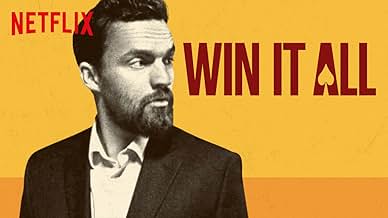
Win It All (2017) is a small-scale gambling drama about a man who wants to change but finds it increasingly difficult to resist the temptation of a quick win. Rather than portraying casino glamour, the film concentrates on everyday choices, broken promises and the danger of using someone else’s money to chase a loss.
Win It All (2017): Key Facts
Year: 2017. Director: Joe Swanberg. Star: Jake Johnson. Genre: Comedy-drama. Subject: Gambling addiction, debt and personal responsibility.
Plot: Someone Else’s Money and a Dangerous Promise
Eddie Garrett earns a modest living and struggles with gambling. An acquaintance asks him to look after a bag while the owner is away. Eddie is not supposed to look inside, let alone spend anything. But when he discovers a substantial amount of money, curiosity turns into temptation.
He takes a little of the cash to gamble, convinced he can return it without anyone noticing. After losing, he plays again to recover the amount. Every new attempt makes the situation more dangerous. Eddie must somehow replace the money before its owner returns.
Why Eddie Garrett Cannot Stop
Eddie is not unaware of the risks. The problem is that he repeatedly convinces himself his next wager is an exception. Winning seems to prove that he should continue; losing seems to create an urgent need to recover. In either case, he finds a reason not to walk away.
Obligations, Risk and Debt
What begins as a personal decision to gamble becomes a serious violation of another person’s trust. Eddie’s potential losses are no longer limited to his own funds. The movie demonstrates how a small breach of a promise can grow into a crisis when someone tries to hide it through greater risks.
Gambling Addiction: Control, Not Luck
The title suggests that getting all the money back is the goal, but the deeper challenge is behavioral. Eddie cannot build a stable future if every temporary solution involves another risky bet. Even an unexpected win cannot substitute for learning how to live without gambling.
Family, Relationships and Starting Over
Eddie’s relatives and romantic relationships give him reasons to change. Ordinary work, emotional support and trust offer a different route forward from the thrilling but unreliable promise of a jackpot. The tension comes from whether he can accept those unglamorous possibilities.
Acting and Direction
Jake Johnson portrays Eddie as flawed, personable and often frustrating. Joe Swanberg uses relaxed dialogue and everyday settings to make the character’s choices feel recognizable. The small scale gives the movie an intimacy that distinguishes it from major casino thrillers.
The Ending: Why Winning Does Not Fix Everything
The film’s final developments revisit the question of whether an isolated favorable result can truly solve addiction. Eddie’s future depends less on his last bet than on whether he can change the habits that led him to the gambling table.
Strengths and Weaknesses
The movie offers believable performances, natural conversations and a grounded portrait of gambling temptation. Its unhurried pace and modest stakes may disappoint viewers hoping for a lavish casino setting, criminal conspiracies or constant action.
Who Should Watch Win It All?
It is a good choice for fans of character-driven indie films, personal dramas and stories about gambling addiction. Viewers interested in how ordinary people rationalize risky behavior will find it particularly engaging.
Frequently Asked Questions
What Is Win It All About?
A gambler entrusted with someone else’s money starts betting with it, loses part of the cash and tries to win it back before the owner returns.
Who Plays Eddie Garrett?
Jake Johnson stars as Eddie.
Is Win It All About Poker or a Single Game?
It is about gambling and the temptation to keep betting rather than an instructional account of one specific game.
Does the Film Glamorize Gambling?
The story focuses strongly on the personal and financial consequences of uncontrolled betting.
Conclusion
Eddie’s fundamental problem is not a run of bad luck. It is the belief that he can always undo a mistake by risking just a little more.